Baseline analysis: know behaviour, test with confidence

When planning a new website or app, it’s tempting to jump straight into design and development. But before creating a new site or app, the crucial first step is to understand how the existing website or app is performing. This means starting with a thorough baseline analysis — the foundation for confident, effective testing and decision-making.
What is a baseline analysis?
A baseline analysis involves collecting and reviewing data to get an accurate picture of current user behaviour. We start by digging into website analytics, examining key metrics like the number of visitors, page views, time spent on site, and other vital statistics. This data is then compiled into a clear baseline analysis report that highlights how users navigate the current site or app.
Why baseline analysis matters before building a new site or app
Understanding the existing website or app’s performance helps identify what’s working and what isn’t. It uncovers user patterns and pain points that inform smarter design choices. Without this, building a new site risks losing what users already value or missing opportunities to improve. We also conduct a detailed Search Engine Optimisation (SEO) keyword analysis. This looks for gaps and potential content opportunities, helping shape the new website’s information architecture to attract more organic traffic. In other words, baseline analysis not only shows how users behave now but also guides how the new site can perform better in search engines.

Tools to gather your baseline data
- Google Analytics: Tracks user traffic, behaviour flow, session duration, bounce rates, and conversions. It’s the go-to for web performance insights.
- Google Search Console: Provides valuable SEO insights, including keyword performance, indexing status, and potential errors.
- SEMrush: Powerful SEO tools to conduct keyword gap analysis and find new content opportunities.
Presenting your baseline analysis report
A clear, actionable baseline report should include:
- Key user metrics and trends, illustrated with graphs or charts
- Behaviour patterns, including navigation paths and drop-off points
- SEO keyword gaps and suggested content ideas
- Recommendations for design and content improvements
- Clear goals for future testing and measurement
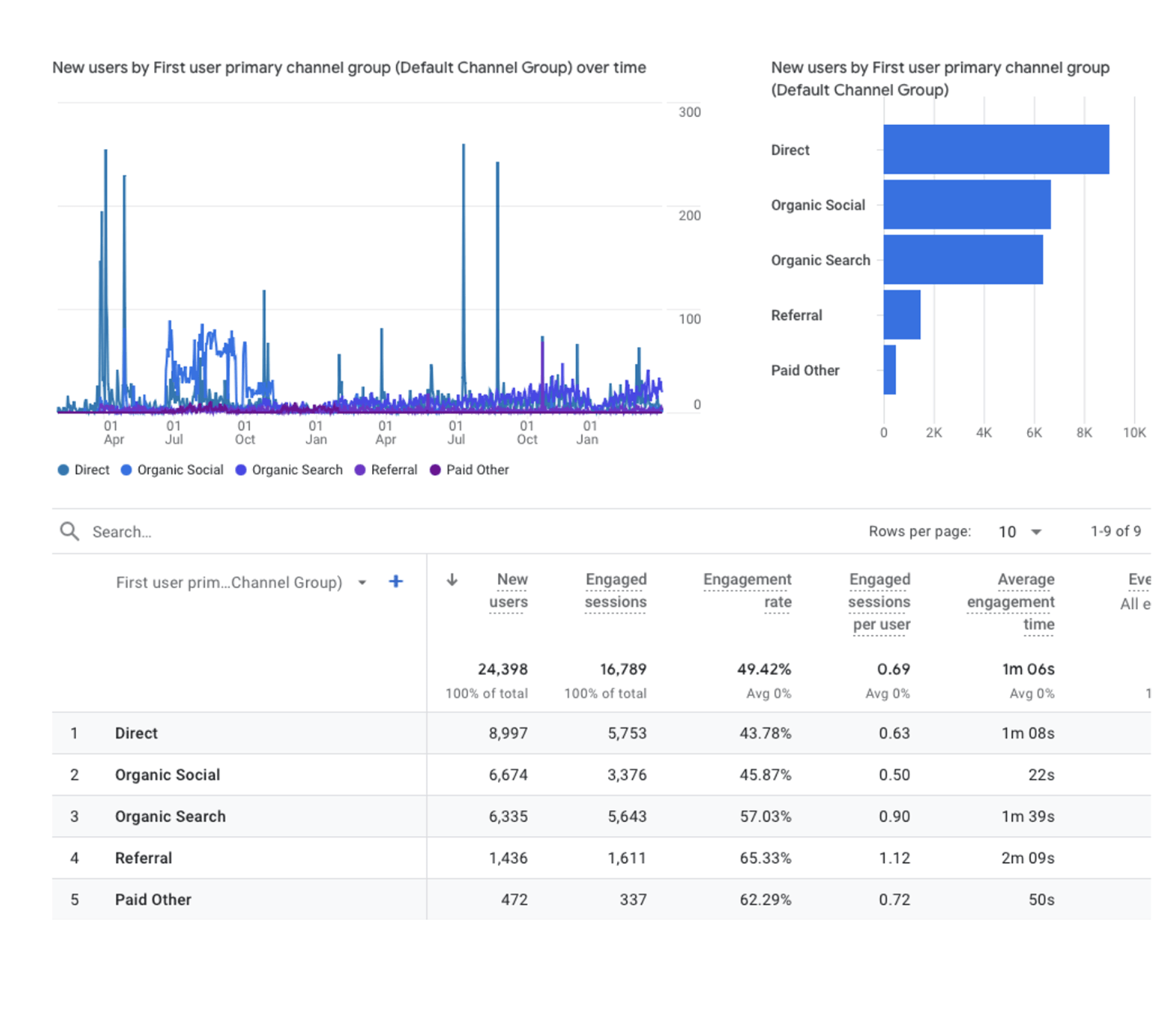
Optimise through ongoing KPI review
A baseline analysis is just the start. To keep your website or app performing at its best, regularly review your key performance indicators (KPIs) and use that data to drive informed decisions. Continuous optimisation based on real user data helps you refine pages, improve user experience, and boost conversions over time.
How a baseline analysis leads to smarter testing
With the baseline report in hand, you can:
- Set meaningful goals based on real user data
- Identify priority areas for improvement
- Test design and content changes against your current performance
- Measure true impact by comparing results back to the baseline
The takeaway
A baseline analysis is the essential first step before launching a new website or app, or in running tests. It ensures you know your users’ behaviour, spot opportunities, and test with confidence — all while building on a solid foundation.


Have a free consultation to discuss your project with the founder Nick.
Say hello to us hello@sparkdigital.com.au or call us at 1300 001 213
Website projects start at $25k. App projects start at $50k. Digital marketing projects start at $10k.