An in-depth discovery of the UX/UI design process

In today’s fast-paced digital landscape, where capturing user attention is more challenging than ever, delivering an outstanding user experience (UX) and intuitive user interface (UI) is vital. Businesses that embrace thoughtful, user-centred design not only differentiate themselves but also build trust and drive stronger results. At the heart of it all lies a design that truly prioritises the user’s needs. This article delves into the essence of UI/UX design, its crucial role for businesses, and its profound impact on shaping engaging experiences across websites and apps.
What is UI/UX design?
UI (user interface) design focuses on the look and feel of a digital product — the colours, typography, buttons, icons, and layout users interact with directly. It’s about creating visually appealing, functional interfaces that are easy and pleasant to use. UX (user experience) design covers the overall journey a user takes when interacting with a product or service, prioritising usability, accessibility, flow, and intuitiveness. It ensures the product not only looks good but also works well. Together, UX and UI form the foundation of any digital experience: UX defines the structure, functionality, and flow, while UI brings that foundation to life visually. Every visual element — from button styles to spacing and colours — supports the user journey planned during UX.
UX design process
The UX design process guides teams in crafting effective, user-friendly products by keeping the user at the centre. Though it can vary by project, it generally includes these key stages:
1. Research: Understanding target users’ needs, goals, and pain points through interviews, surveys, and analytics.
2. User personas and scenarios: Creating detailed profiles of typical users and their interactions.
3. Information architecture: Organising content and features logically to ensure intuitive navigation.
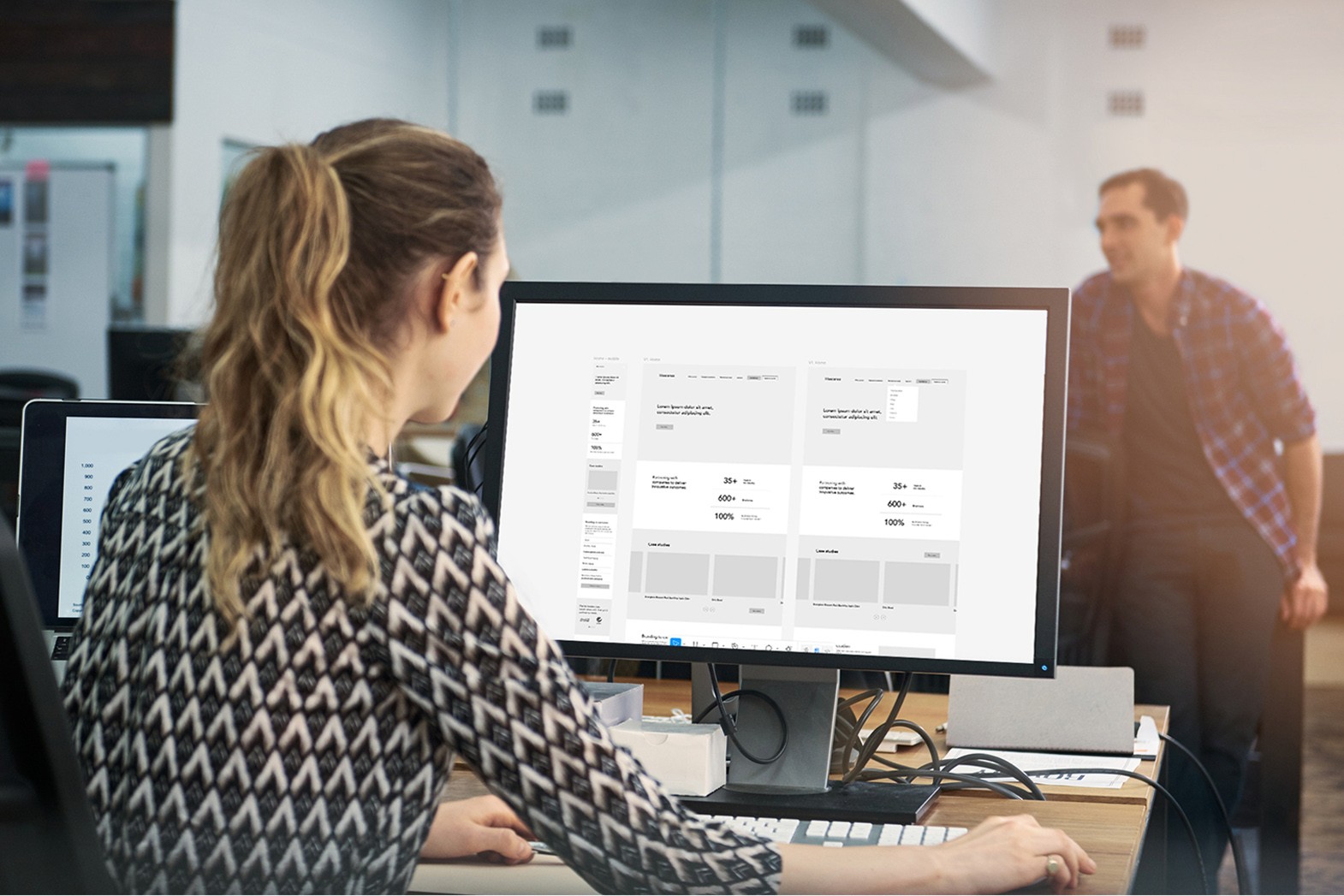
4. Wire-framing and prototyping: Developing low-fidelity layouts and interactive models to explore structure and flow without visual distractions.
5. Usability testing: Gathering user feedback on prototypes to identify pain points and improvement areas.
6. Iteration: Refining designs based on feedback, repeating testing and adjustments as needed.
Why UI/UX design is essential for business success
UI/UX design is no longer a luxury but a necessity for organisations wanting to thrive online. Users expect seamless, engaging, and frustration-free experiences. A confusing or difficult-to-use website or app drives users away to competitors.
Effective UI/UX design helps businesses:
- Make a positive first impression.
- Guide users smoothly through their journey, from browsing to completing actions like purchases or bookings.
- Reduce drop-offs and bounce rates, keeping users engaged longer.
- Increase conversions and customer satisfaction by making experiences easy and enjoyable.
A clear focus on UX design also helps prevent product failure and ensures offerings stay aligned with market demands. Investing in UI/UX strengthens brand reputation, builds user loyalty, and boosts the bottom line.
How UX design creates a meaningful impact
Thoughtful UX design removes friction, anticipates user needs, and creates natural, enjoyable flows. This results in:
- Faster task completion allows users to achieve their goals efficiently.
- Higher engagement and repeat visits encourage users to explore and return.
- Improved accessibility, making products usable by people of all abilities.
- Stronger emotional connection and trust, building lasting relationships with users.
Because UX defines the structure and flow first, UI then enhances the experience visually, applying design elements that improve clarity, usability, and brand personality. When these disciplines work seamlessly together, users feel supported throughout their journey.
Poor UX, conversely, leads to frustration, confusion, and lost opportunities.

Bringing it all together
UI/UX design goes far beyond aesthetics — it’s about crafting meaningful, functional, and human-centred digital experiences. Strong, user-first design not only boosts retention, engagement, SEO, and business success, but also makes it easier to adapt and stay flexible as things change. When UX guides UI, teams can deliver experiences that are visually compelling, seamlessly functional, and create real value for their audience. In today’s dynamic digital environment, businesses need thoughtful design to stand out, build lasting relationships, and deliver great experiences.
If you’re seeking support with UI/UX design and best practices, we’re here to help. Get in touch to learn more about how we approach user-centred design.


Have a free consultation to discuss your project with the founder Nick.
Say hello to us hello@sparkdigital.com.au or call us at 1300 001 213
Website projects start at $25k. App projects start at $50k. Digital marketing projects start at $10k.